
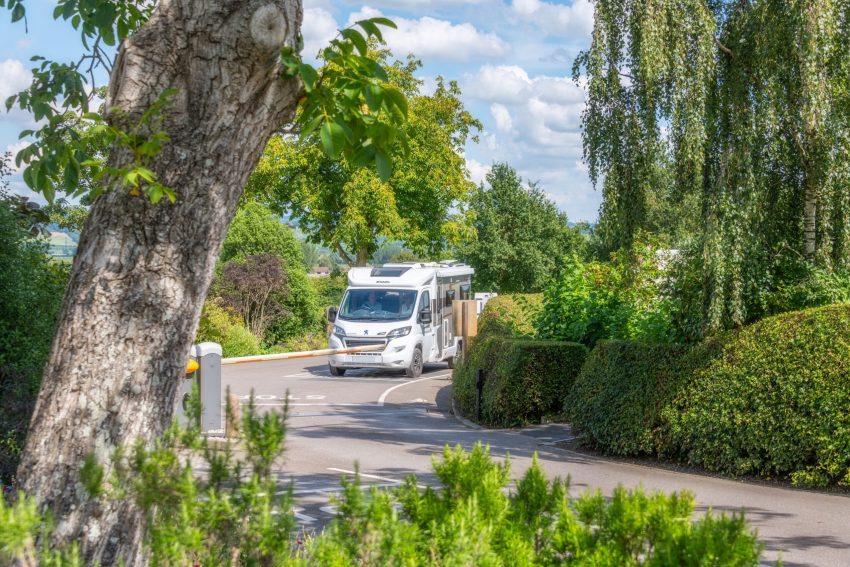
Spain has long been one of the most popular destinations for British tourists, but the way people are choosing to experience it is shifting. Travel data over the past few seasons points to a steady move away from traditional all-inclusive package holidays and towards a more flexible, self-driven style of travel: renting a motorhome or campervan and building a route through the country at your own pace.
A Different Kind of Spanish Holiday
The classic image of a British holiday in Spain — a hotel on the Costa Blanca or Costa del Sol, a set of sun loungers, and a fixed return flight — is far from disappearing, but it’s no longer the only option most travellers consider. Motorhome travel offers something the package deal can’t: the ability to change plans mid-trip, string together several regions in one holiday, and avoid the fixed check-in and check-out schedules that come with hotel stays.
For families in particular, this flexibility has proven popular. Instead of committing to a single resort for a week, a motorhome trip can combine a few days on the coast with a detour inland to a historic town, or an extra night somewhere unplanned simply because it turned out to be worth staying longer.
Lower Barriers to Entry Than Expected
One reason this style of travel has grown is that it’s become far more accessible than it used to be. Renting a motorhome no longer requires owning specialist driving experience or committing to buying a vehicle outright — short-term rental options aimed specifically at holidaymakers have expanded, particularly around popular entry points on the Spanish coast such as Alicante.
Companies offering motorhome rental in Alicante report that a growing share of their bookings now come directly from UK travellers arriving by low-cost flight and picking up a vehicle locally, rather than driving down from the UK themselves. This “fly-and-drive” approach has effectively removed one of the biggest practical obstacles that used to put people off this kind of holiday.
What’s Actually Available Has Changed Too
Part of the shift is also down to the vehicles themselves. What used to be a fairly narrow choice — typically a large, van-based motorhome — has expanded into a much wider range of options, from compact campervans suited to couples to larger family-sized vehicles with proper kitchen and sleeping arrangements. Browsing a catalogue of available motorhomes and campervans shows just how varied this market has become, with vehicles now built and marketed for very different kinds of trips rather than a one-size-fits-all approach.
This variety matters for a straightforward reason: a couple looking for a simple, easy-to-drive campervan for a week on the coast has very different needs from a family of five wanting enough space and storage for a fortnight covering several regions. The wider the range of vehicles on offer, the easier it becomes for both groups to find something that actually fits.
A Trend Likely to Continue
With flight routes from UK regional airports to Spain remaining frequent and affordable, and rental companies continuing to expand their fleets to meet demand, industry observers expect this shift towards independent, motorhome-based travel to keep growing rather than level off. For many British travellers, it represents a middle ground between the convenience of a package holiday and the freedom of a full road trip — without needing to drive the vehicle all the way from home.