
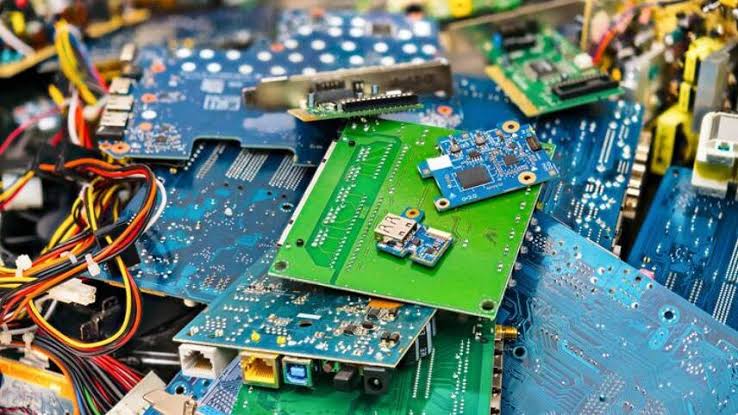
Retired laptops, servers, mobile phones and storage devices may look like ordinary waste, but they carry two valuable resources: recoverable materials and information. When organisations dispose of electronics without a controlled process, they risk losing both. Metals that could return to manufacturing may end up in landfill, while confidential files can remain accessible long after a device leaves the office.
This is why responsible electronics recovery (e waste recycling) should be treated as part of an organisation’s environmental strategy and its information-security programme. A well-managed service does more than collect unwanted equipment. It establishes a documented chain of custody, protects sensitive data and separates valuable components for responsible processing.
The hidden data risk inside obsolete electronics
Most businesses understand that a working computer contains sensitive information. The risk is easier to overlook when the computer is broken, outdated or stored in a cupboard. Hard drives, solid-state drives, smartphones, tablets, servers, printers and removable media can retain customer records, employee details, passwords, financial documents and intellectual property.
Deleting files or performing a standard factory reset may not be enough. In many cases, deletion removes the reference to a file without immediately overwriting the underlying information. Someone with appropriate recovery tools may still be able to retrieve it. Damaged equipment can also contain readable storage components, even when the device itself no longer switches on.
A data breach involving retired hardware can lead to regulatory scrutiny, financial losses and reputational damage. For organisations handling personal data, disposal procedures should therefore support broader GDPR-aligned policies rather than being treated as an informal facilities-management task.
How professional recycling strengthens data security
A reputable recycling partner builds security into every stage of the disposal process. Although requirements vary according to the equipment and sensitivity of the information, an effective programme generally includes the following controls:
- Asset identification: Devices are counted, categorised and, where appropriate, recorded by serial number or asset tag.
- Controlled collection: Equipment is collected using agreed procedures that reduce opportunities for loss, substitution or unauthorised access.
- Documented chain of custody: Records show when assets changed hands and how they progressed through the process.
- Secure data destruction: Storage media is sanitised or physically destroyed using a method appropriate to the device and risk level.
- Evidence and reporting: Certificates and supporting documentation help demonstrate that disposal was completed according to the agreed standard.
These measures are especially important for businesses replacing devices across multiple sites. Without central oversight, equipment can accumulate in storerooms, leave through inconsistent channels or be passed to unverified collectors. A scheduled programme replaces that uncertainty with a repeatable, auditable workflow.
Environmental protection goes beyond diverting waste
Electronic equipment contains a complex mixture of materials. Printed circuit boards may contain copper and precious metals, while cases, cables and other components can contain aluminium, steel and recyclable plastics. At the same time, some devices include batteries or hazardous fractions that require careful handling.
Responsible processing helps recover secondary raw materials and reduces unnecessary demand for virgin resources. Recovering metals from existing products can also require significantly less energy than extracting and refining them from primary ores. Just as importantly, proper sorting prevents problematic materials from entering unsuitable waste streams, where they could contribute to soil, air or water pollution.
Printed circuit boards deserve particular attention because their value and composition vary widely. Experienced processors visually inspect and sort boards by expected metal content and may use laboratory analysis when accurate settlement is required. This allows useful materials to be directed towards appropriate refining routes rather than being discarded or inaccurately graded.
Why data security and sustainability belong together
Security and environmental responsibility are sometimes managed by different departments. Information technology teams focus on data, facilities teams arrange collections, and sustainability teams measure waste. Yet electronic asset disposal affects all three.
A joined-up policy produces better results. IT can define sanitisation requirements, compliance teams can specify documentation, and sustainability leaders can track recovery outcomes. Procurement and finance teams can also identify residual value in suitable equipment and high-grade components. This shared approach turns disposal from a last-minute administrative task into a controlled part of the technology lifecycle.
It also improves reporting. Instead of merely stating that old computers were removed, an organisation can maintain evidence of which assets were processed, how data was handled and where recyclable materials were directed. That level of visibility supports internal audits, customer questionnaires and environmental, social and governance reporting.
What to look for in an e-waste recycling provider
Choosing a provider based only on collection price can expose an organisation to avoidable risk. Before handing over equipment, ask practical questions about the full downstream process:
- How are assets recorded when they are collected?
- What data-destruction options are available for hard drives, solid-state drives and mobile devices?
- Will the provider issue certificates and appropriate waste documentation?
- How are printed circuit boards and other high-value fractions assessed?
- What happens to batteries, damaged devices and hazardous components?
- Can collections accommodate the organisation’s locations, volumes and schedule?
- How does the provider prevent reusable or recyclable material from entering landfill unnecessarily?
Clear answers indicate that the provider understands both information governance and material recovery. Vague claims such as “everything is recycled” are not a substitute for traceability, documented procedures and transparent handling.
A practical process for safer electronics disposal
Organisations can reduce risk by creating a simple disposal policy before the next technology refresh. Begin by assigning responsibility to a named person or team. Maintain an inventory of equipment awaiting disposal and store it in a secure area rather than in open corridors or general waste zones.
Next, classify assets by data sensitivity. A monitor presents a different information risk from a server, while a hybrid device may contain both storage media and a battery. Agree the required destruction or sanitisation method with the recycling provider, and do not allow unrecorded assets to leave the premises. Finally, reconcile collection records with certificates after processing and retain the documentation according to the organisation’s compliance policy.
Blancomet supports businesses with the responsible processing of electronic end-of-life materials, including printed circuit boards, computers, phones, servers and related IT assets. Its approach combines collection, material sorting and secure data destruction with clear documentation, helping organisations address environmental obligations and information-security concerns through one coordinated service.
Local convenience should not replace due diligence
When equipment piles up, many decision-makers search for a local electronics recycler (e waste recycling near me) and choose the first available option. Proximity can reduce logistical complexity, but it should not be the only criterion. Coverage, collection flexibility, data-destruction procedures, regulatory documentation and downstream transparency are more important than distance alone.
Before arranging a collection, create a basic asset list and ask the provider to explain its process from pickup to final material recovery. Blancomet works with organisations of different sizes and can coordinate compliant handling around operational needs. Businesses preparing for an office move, hardware refresh or storeroom clearance can start by requesting a tailored assessment of their equipment, data risks and collection requirements.
Retired electronics should never be viewed as harmless clutter. They are information-bearing assets and sources of reusable material. By choosing a transparent recycling process, organisations can reduce breach risks, demonstrate responsible waste management and return valuable resources to the circular economy—all while creating a cleaner, more defensible record of how their technology was retired.